The Bonny
Method
of Guided Imagery and Music
What is the Bonny Method?
The Bonny Method of Guided Imagery and Music (BMGIM) is a music centered integrative therapy that facilitates the exploration of consciousness leading to wholeness and wellbeing.
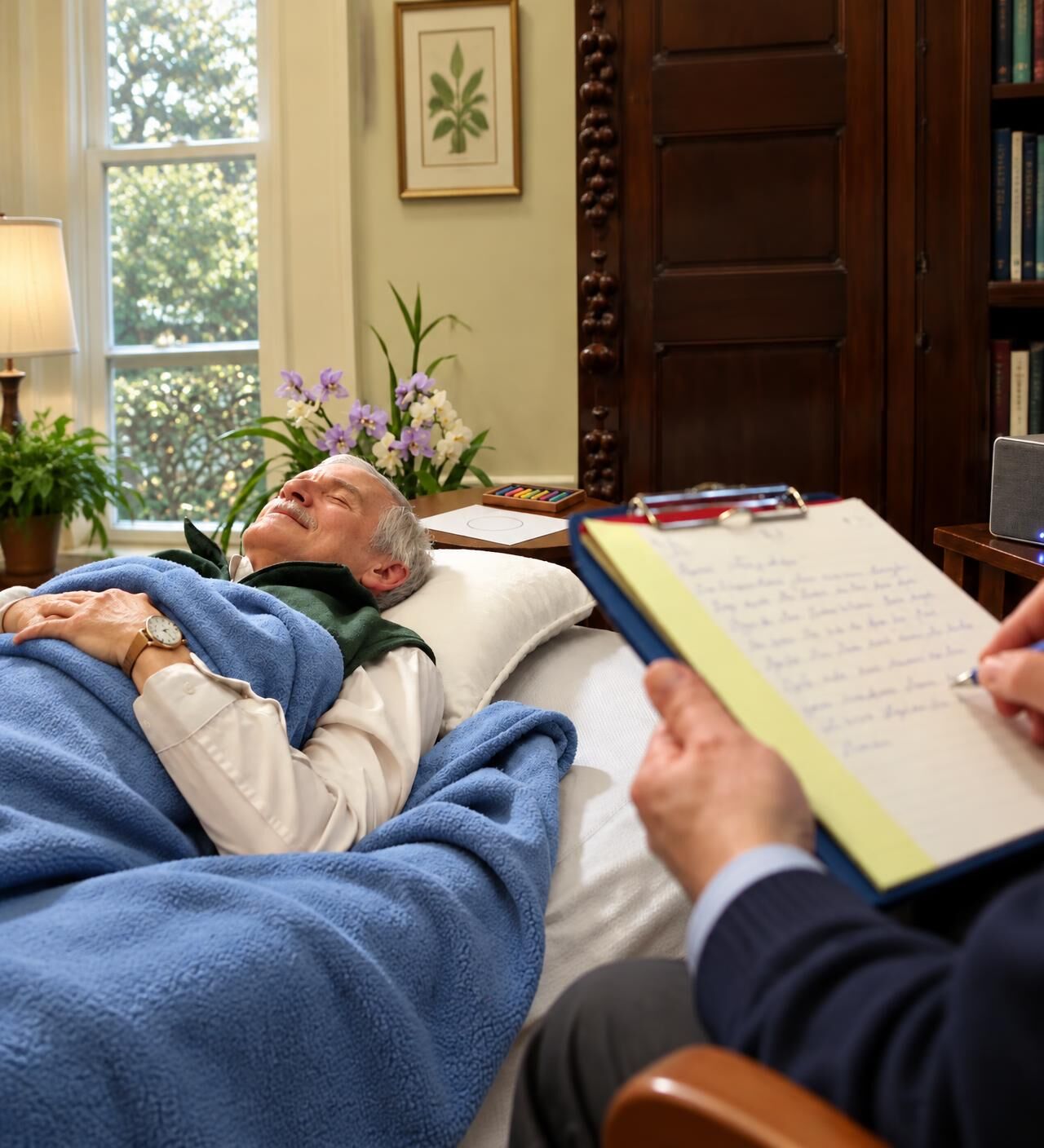
In a BMGIM session, the therapist serves as a trained guide. The person receiving the session — the traveler — reclines in a relaxed state and listens to a carefully selected program of classical music. As the music unfolds, images, memories, emotions, and bodily sensations arise spontaneously. The guide accompanies the experience without directing it. Afterward, guide and traveler explore together what surfaced.
Recognized internationally as one of the five major models of music therapy, BMGIM draws on depth psychology, transpersonal research, and the clinical use of music as a therapeutic agent.
How a session works
A BMGIM session typically lasts 90 minutes to two hours and follows a consistent structure:
Conversation
The session begins with a dialogue between guide and traveler. Together they identify an intention — a question, feeling, or theme to bring into the music experience.
Relaxation
The guide leads a brief relaxation to help the traveler move into a receptive state of awareness, preparing the ground for the music.
Music and imagery
The traveler listens to a music program — a curated sequence of classical pieces selected by the guide based on the intention and the traveler's readiness. During the music, the traveler reports aloud what arises: images, feelings, physical sensations, memories. The guide listens, reflects, and offers brief interventions to support the unfolding process.
Return and integration
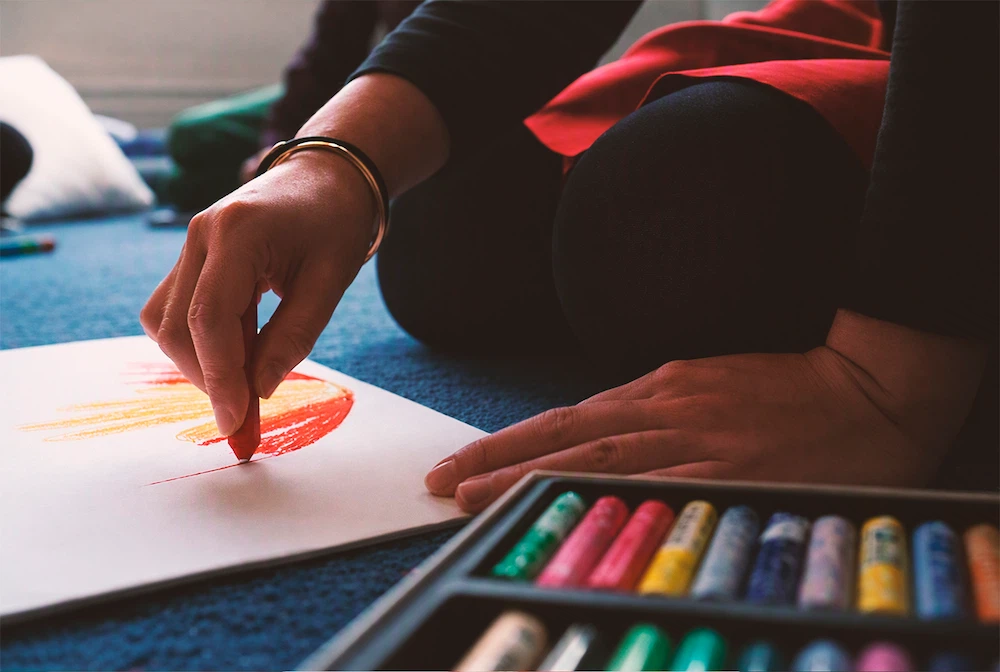
When the music ends, the guide helps the traveler transition back to ordinary awareness. The experience is then processed through conversation, and often through drawing a mandala — a circular image that captures the essence of the session.

The role of music
In BMGIM, music functions as far more than a background element. It acts as a co-therapist — a structured presence that shapes the emotional arc of the session.
The music programs used in BMGIM are carefully curated sequences drawn primarily from Western classical traditions. Each program is designed for a specific therapeutic purpose: some invite exploration, others support emotional release, and others facilitate integration and grounding.
The guide selects a program based on the traveler's intention, emotional state, and readiness to engage with deeper material. This clinical relationship with the music — knowing which program to use, when, and why — is at the heart of what the Atlantis training develops.
What BMGIM addresses
BMGIM has been used effectively in clinical and healthcare settings for:
[ Trauma & Recovery ]
[ Anxiety and stress disorders ]
[ Depression and mood disorders ]
[ Addiction and recovery ]
[ Life transitions and grief ]
[ Spiritual growth and personal development ]
[ Chronic pain and somatic conditions ]
[ Creative blocks and self-exploration ]
Interested in learning to guide BMGIM sessions?
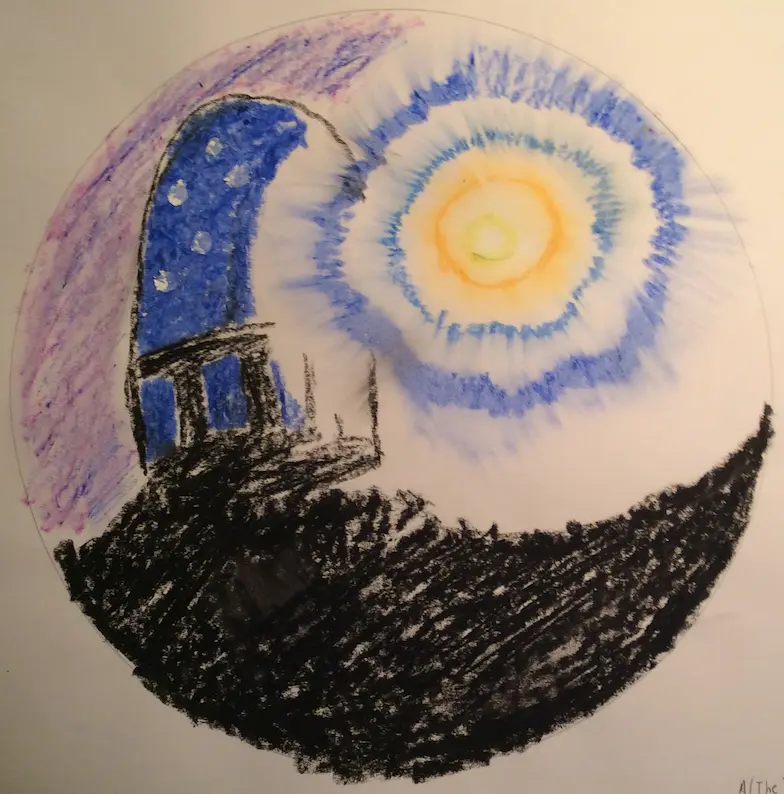
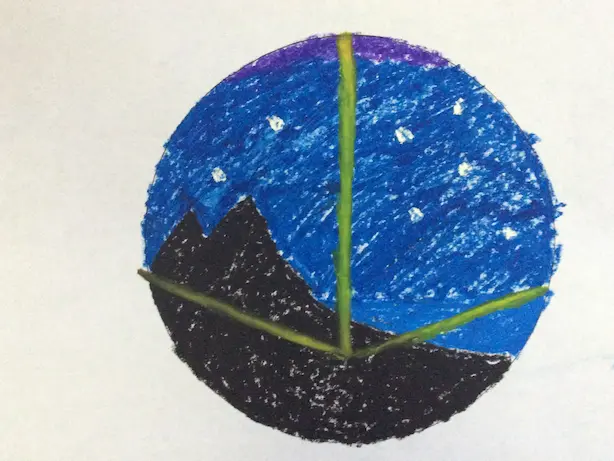

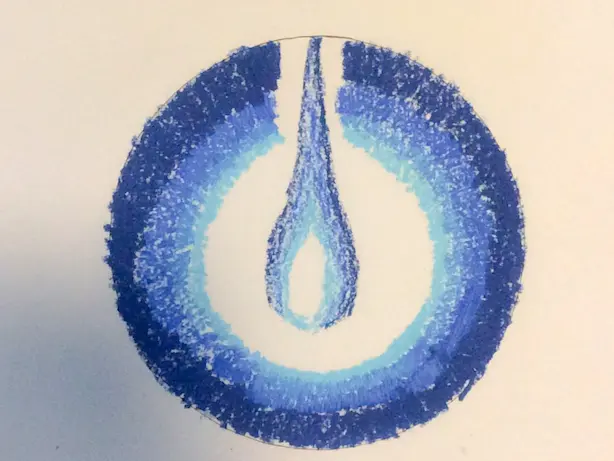
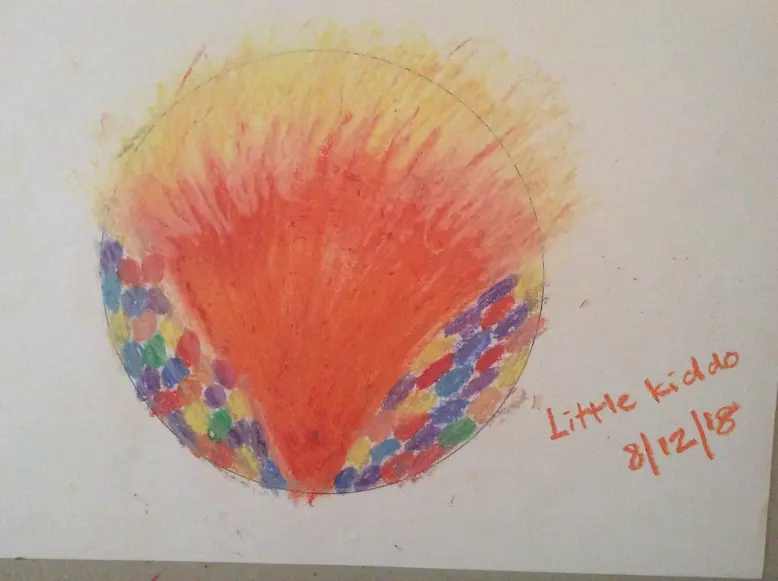
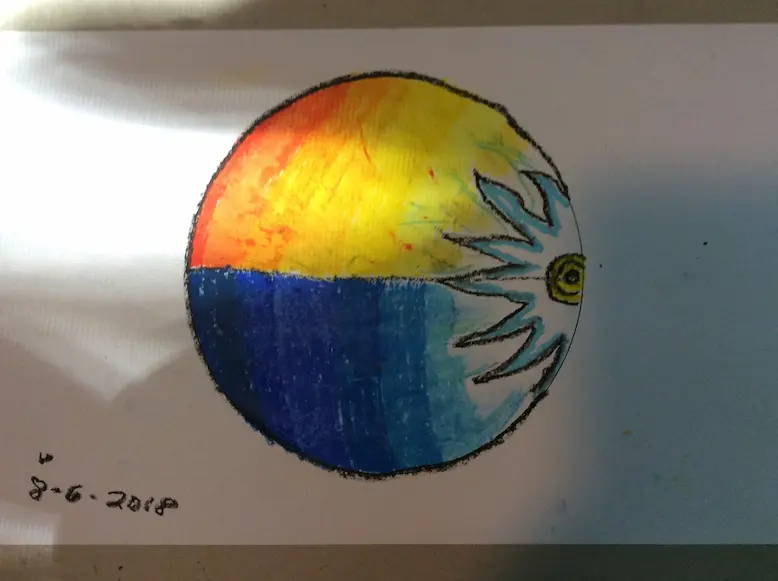
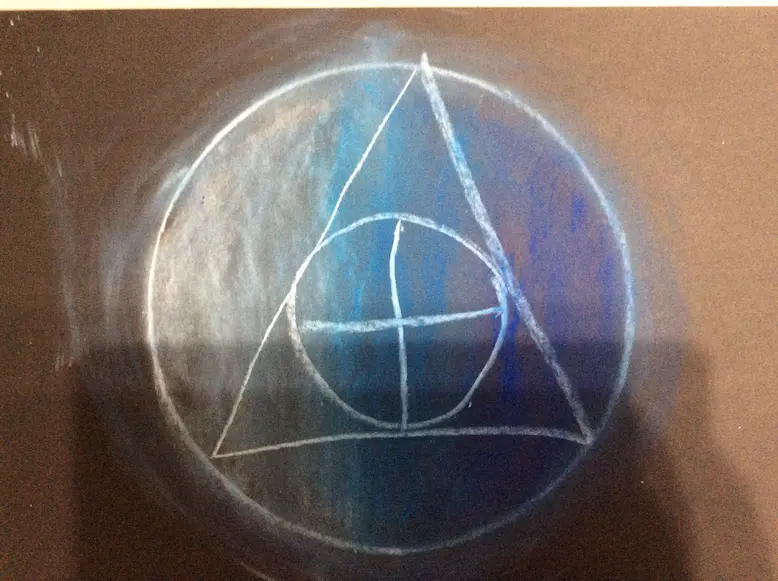
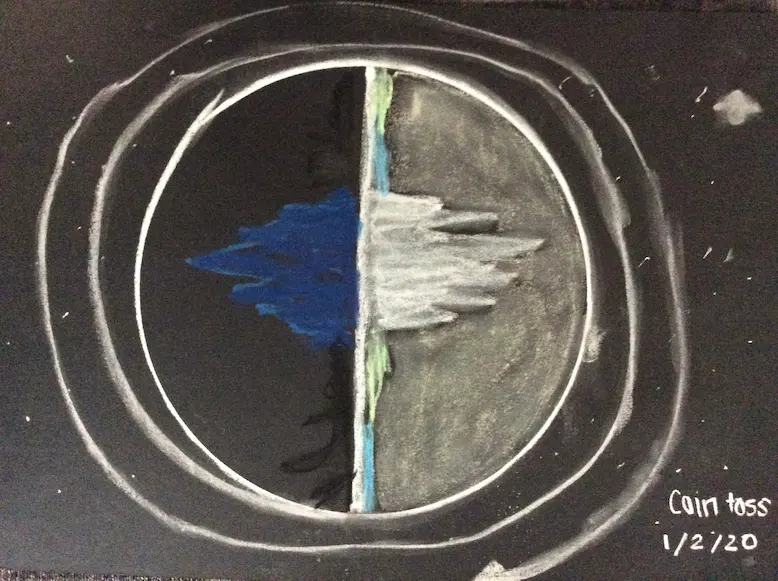
Mandalas drawn by travelers after BMGIM sessions.
Each one captures something that words alone cannot hold.
Helen Bonny
1921 – 2010
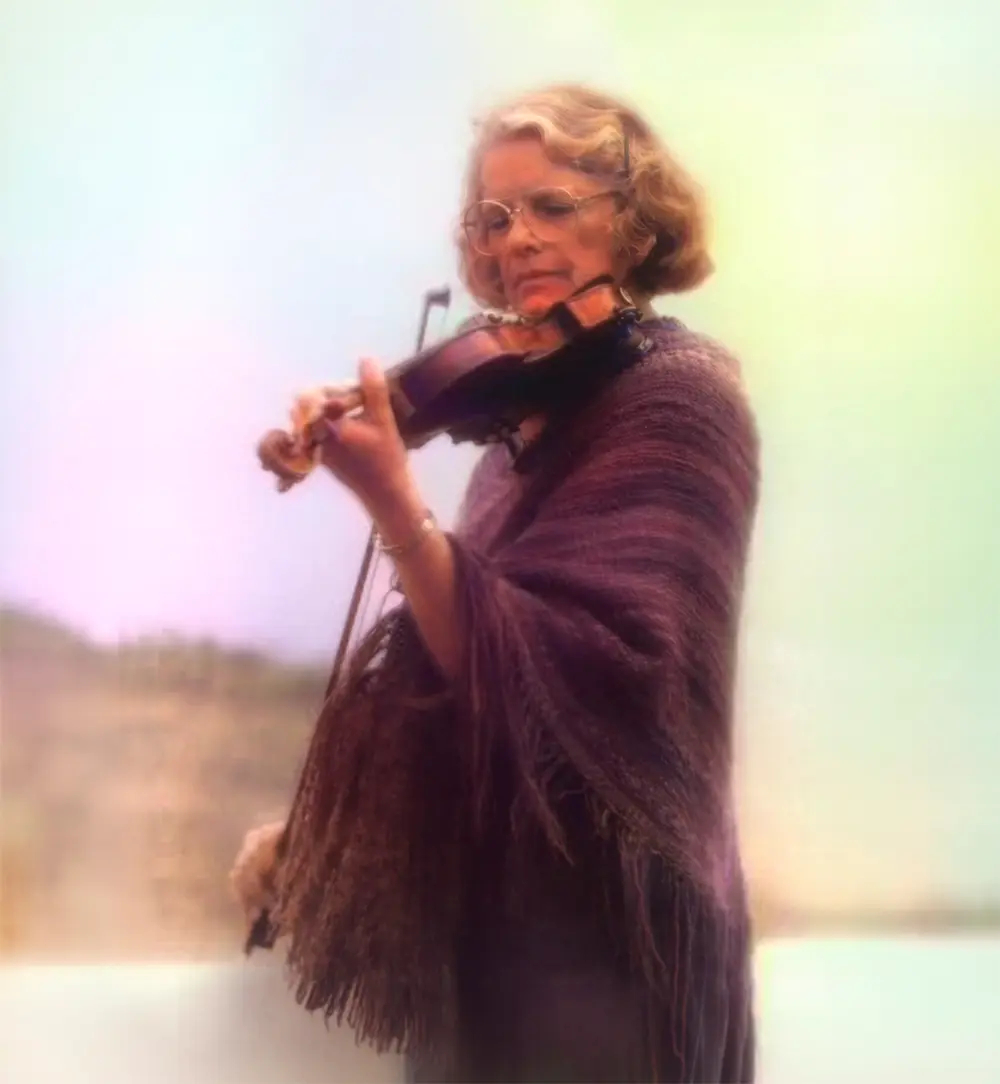
Helen Bonny was a classical violinist, music therapist, and researcher whose work transformed the relationship between music and psychotherapy.
In the late 1960s, she joined a team of consciousness researchers at the Maryland Psychiatric Research Center in Baltimore.The group included Stanislav Grof and John Lilly, among others. Together, they studied the therapeutic use of psychedelics for patients with terminal cancer, alcoholism, and other severe conditions — in carefully controlled clinical settings.
Music was essential to this research. It provided a structured, predictable guide through the expanded states these substances opened. Helen's particular contribution was the selection and sequencing of music — drawing on her training as a violinist and her intuitive understanding of how music moves through the psyche.
From these roots, Helen developed a process that no longer required a pharmacological catalyst. She discovered that carefully structured music programs, combined with a relaxed state and the presence of a skilled guide, could open the same terrain — emotional release, transpersonal experience, and access to unconscious material — through music alone.
This became the Bonny Method
of Guided Imagery and Music.
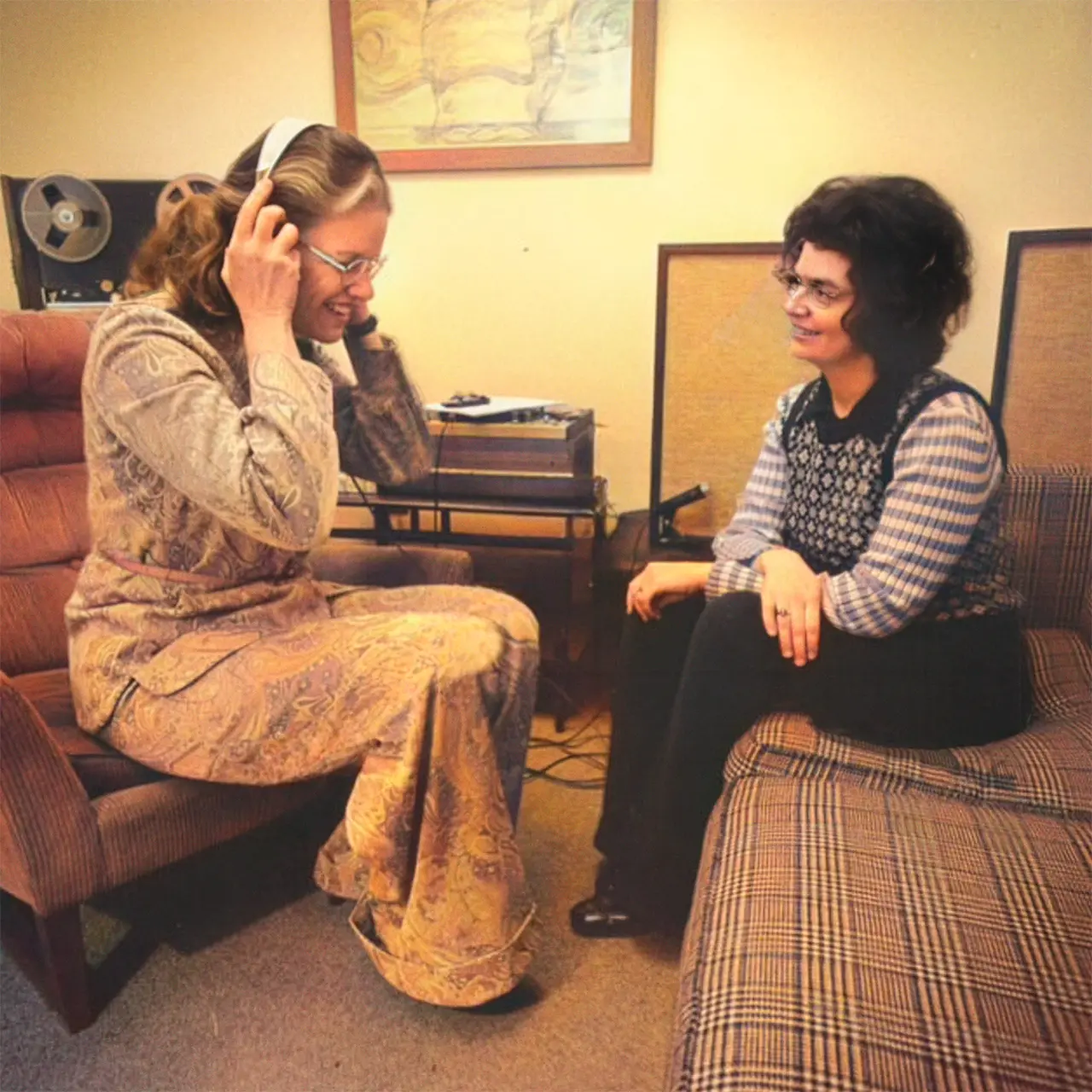
"Music, as a structured envelope of sound, is probably the most effective and safe opener to the doors of the psyche. It reaches beyond personal defenses to the realities and beauties of a person."
HELEN BONNY
Recognition and legacy
In 1999, at the World Congress of Music Therapy, the Bonny Method was honored as one of only five major international models of music therapy.
Today, the method continues to evolve and is practiced across more than 15 countries. Trained guides work in clinical settings, private practice, healthcare, and research — applying the principles Helen developed to a wide range of populations and contexts.
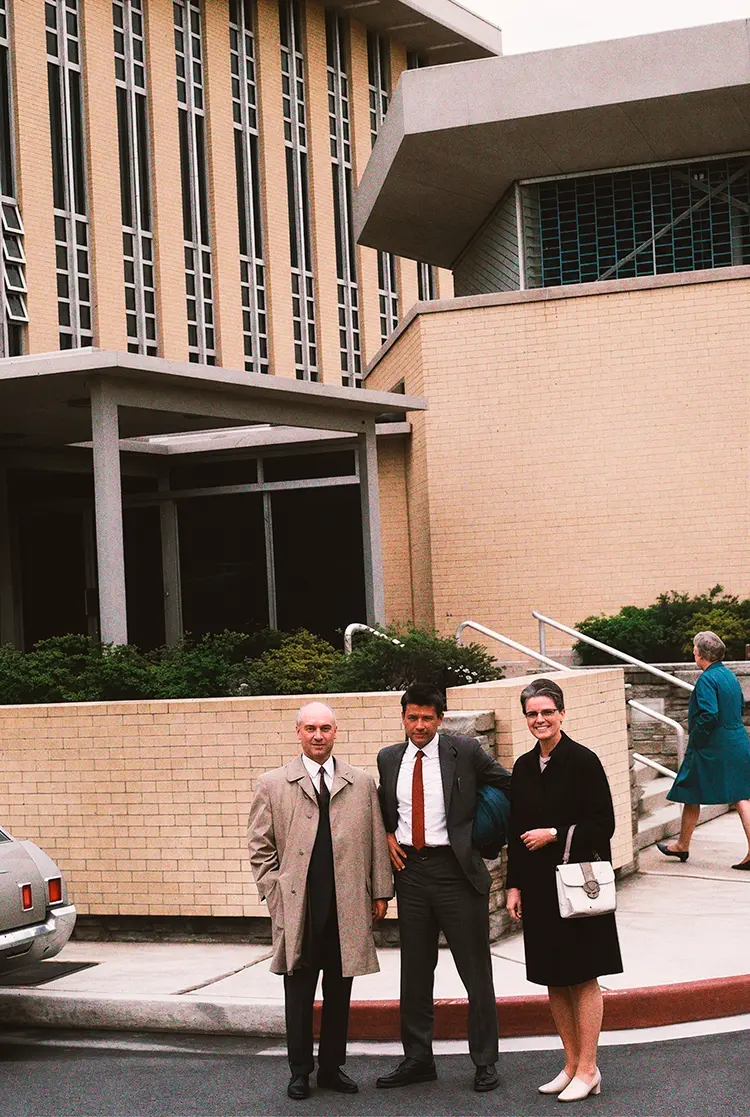
Helen Bonny outside the Maryland Psychiatric Research Center, c. 1970s
The Founders of Atlantis Institute
Sierra Stokes Stearns and Carol Bush, co-founders of Atlantis Institute, worked closely with Helen from the earliest years of BMGIM's development. Sierra apprenticed with her at the Maryland Research Center in the early 1970s; Carol was among the first practitioners trained in the method. Together, they have spent more than three decades developing the clinical training model that Atlantis offers today.
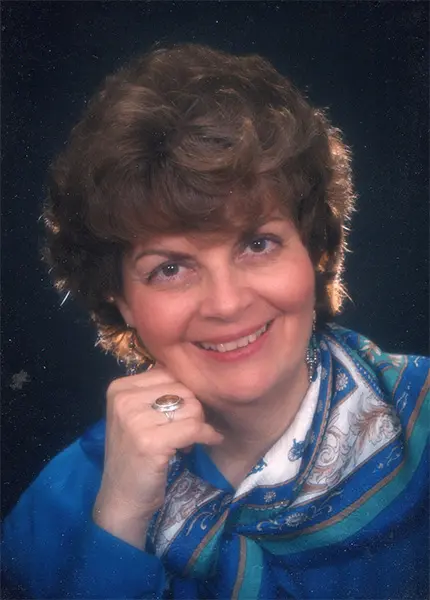
Sierra Stokes-Stearns, Ph.D.
Co-Founder & Primary Trainer
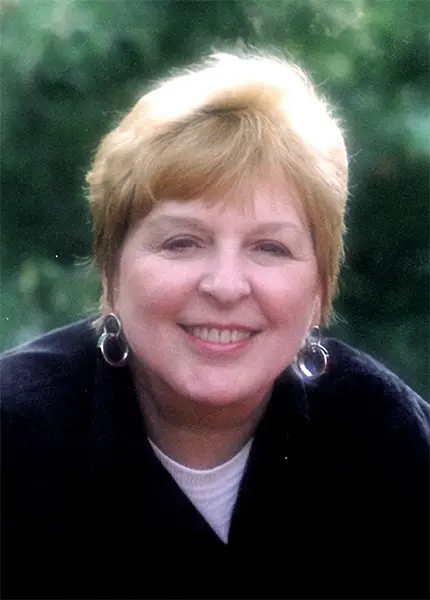
Carol Bush, M.M.
Co-Founder & Pioneer Practitioner
Learn to guide this process
Atlantis offers a structured training path from first encounter to professional certification.