The Atlantis training spans three sequential levels, each building upon the other. At the completion of Level III, the graduate becomes a Fellow of the Association for Music and Imagery (FAMI) and is qualified to practice BMGIM as a clinical specialty.
All levels are experiential, didactic, and interactive. Each one can be taken in person, online, or through a hybrid model. The full training takes a minimum of two years, including practicum and supervision requirements.
Programs are offered internationally in residential and university settings, with bilingual options available.
- Level I36-hour intensive
- Level II50-hour intensive
- Level III2-year program
- FAMIFellow of the Association for Music and Imagery

I

LEVEL I
Foundation
36-hour intensive
An immersive introduction to BMGIM: its theoretical foundations, history, and core experience.
Level I is the entry point for the entire training program. It can also be taken for personal development.
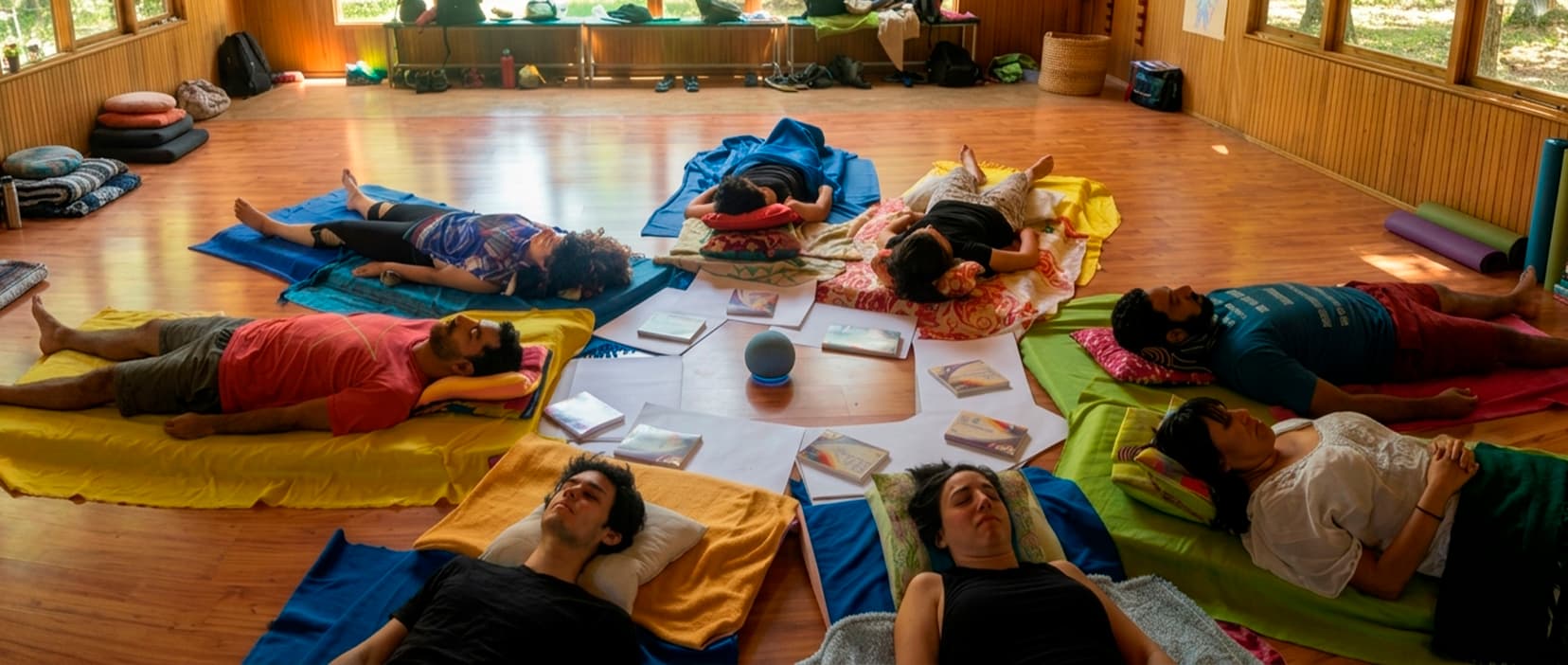
During this level, students experience a BMGIM session as a traveler, are introduced to early guiding techniques, and begin to understand how music functions as a therapeutic catalyst.
Content
- Historical, theoretical, and philosophical perspectives on BMGIM
- Roles of the guide and traveler
- Introduction to guiding techniques
- Level I music programs
- How music functions as co-therapist
- Imagery processes and non-ordinary states
- Applications of BMGIM
- Ethics
Prerequisites
An individual BMGIM session (can be in person or online) with an Atlantis trainer.
Our trainers can provide this session.
II
LEVEL II
Introductory Clinical Specialization
50-hour intensive
The cornerstone of clinical skill development. Level II focuses on learning to guide BMGIM sessions within a professional context.
Students develop the art and skill of guiding interventions, learn to read a traveler’s inner process, and build a working relationship with the music as co-therapist. Experiential work includes multiple BMGIM dyads.
Content
- The art and skill of guiding interventions
- Session design: setting an intention for the journey
- Assessing the traveler’s style of connecting with inner states
- Introduction to physical (somatic) interventions
- Levels of imagery experience
- Working with expanded states of awareness
- Advanced music programs and the psychodynamic influence of music as co-therapist
- Post-session processing
- Group format applications
- Ethics of working in non-ordinary states
Prerequisites
Acceptance by application. Completion of Level I plus required readings, sessions, and music project.
III
LEVEL III
Advanced Clinical Specialization and Practice
2-year program · 100 instructional hours + practicum · supervision · final project
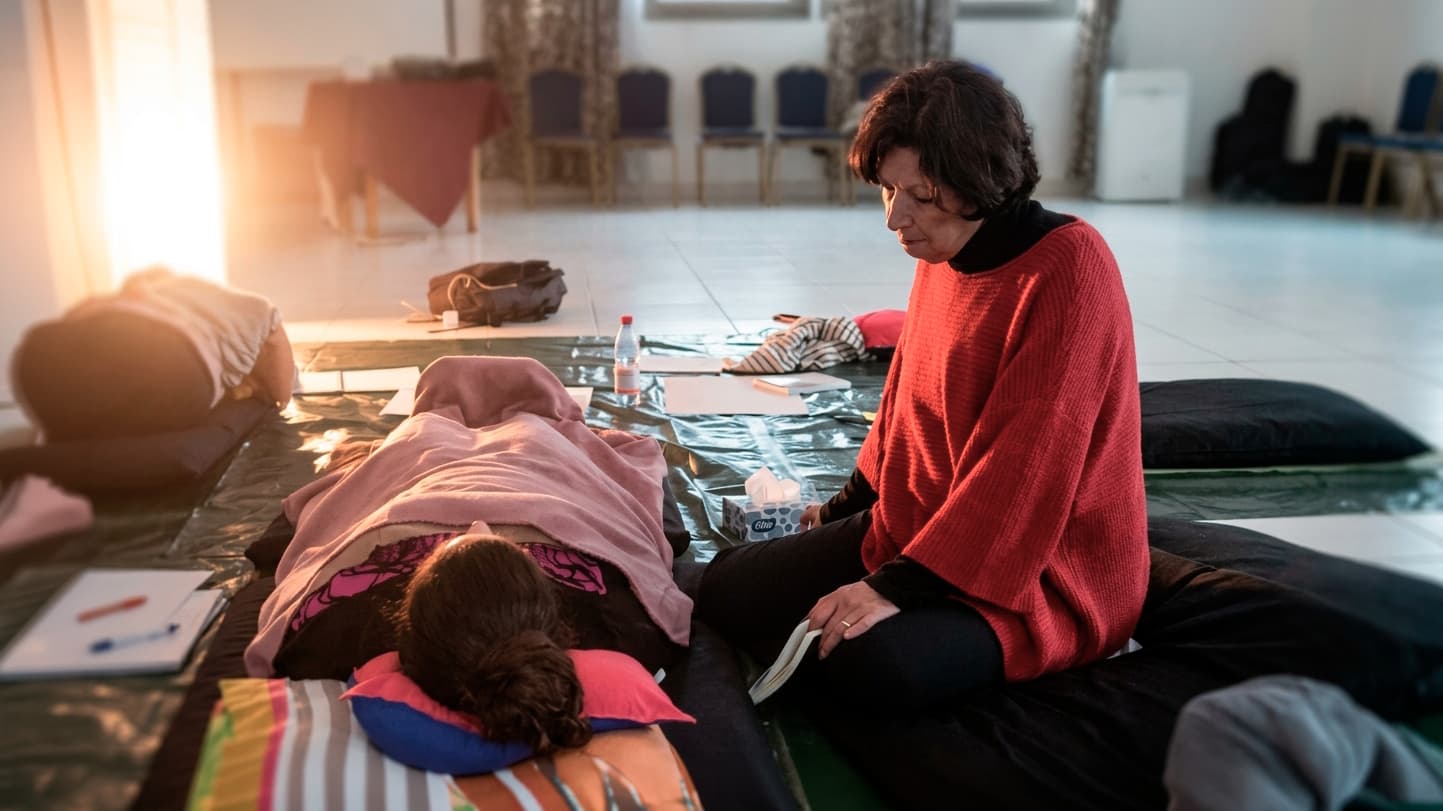
Level III prepares the student for professional and clinical practice of BMGIM as a therapeutic specialty. Each module builds upon the other in a learning sequence that culminates in readiness to practice BMGIM with individuals and groups in clinical settings.
Each student is assigned a trainer/mentor who provides ongoing support throughout the program.
Prerequisites: Application required.

MODULE 1
Clinical Focus
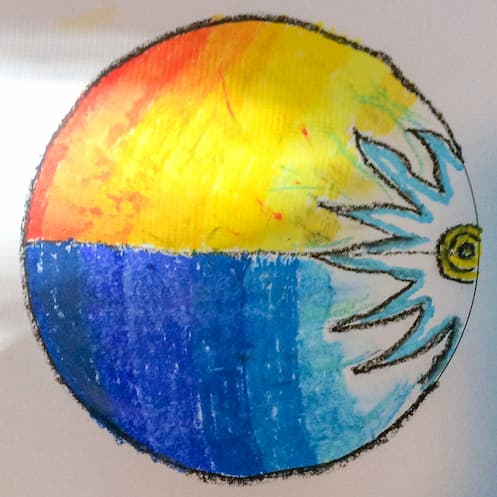
BMGIM with specific clinical populations. Advanced guiding skills, recognizing psychopathology, assessing resistance. Specialized music programs. Creative processing techniques including mandala work.
MODULE 2
Myth and Archetype
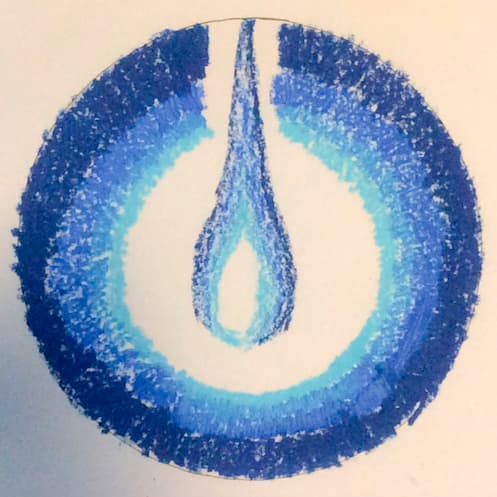
BMGIM through the lens of the mythic and archetypal realms. Symbolic and archetypal dimensions of music. Individuation and the journey toward the authentic self. Mask making and ritual.
MODULE 3
Transpersonal
Expanded states of awareness as they relate to BMGIM. Transpersonal theories of Jung, Wilber, Grof. The mystical, the sacred. Healing and rites of passage. Ethics of transpersonal states.
MODULE 4
Music and the Psyche
In-depth exploration of the role of music as the central element in BMGIM. Conscious listening. Music as a mirror of the psyche. Musical vocabulary, styles and periods. Assessment and music program development.
MODULES 5 & 6
Supervision I & II
Direct observation and supervisory feedback on guiding competence. Evaluation of guiding and physical interventions. Report writing.
GRADUATION
Closing residential weekend
Student presentation of case studies or research. Design of rituals. Graduation ceremony.
Post-Graduate Modules
For certified Fellows seeking continued development and specialization.
BMGIM and the Bodymind Connection
Exploring physical symptoms and health issues through BMGIM. Decoding the metaphoric language of the body. Specialized music programs for bodymind work.
BMGIM and Body/Breath
A hybrid combining BMGIM and Grof Holotropic Breathwork. Working with intense emotional states and early developmental material.
Supervisor in Training (S.I.T.)
Prepares Fellows to serve as supervisors for students in training programs. On-the-job coaching during actual Level III supervision modules.
Training Schedule
Showing upcoming programs.
Filters
Date
Level
Location
Format
Faculty
LEVEL I
LEVEL II
LEVEL III
Advanced Guiding
Myth & Archetype
Transpersonal
Jun 23 – Jul 1, 2026
Transpersonal + Supervision
Washington, DC
Residential
Johnson, Marinucci
Supervision
Music and the Psyche
Common questions
Do I need to be a musician to enroll?
No. An appreciation of music is the only requirement. Many students have no formal musical training.
What professional background do I need?
Level I is open to all. Levels II and III require a professional background in mental health, counseling, or a related field, along with certification to practice as a therapist in your country.
Can I take the training online?
Each level has options for in-person, online, or hybrid formats. Certain restrictions apply for advanced levels.
How long does the full training take?
The full path from Level I to Level III takes a minimum of two years, including practicum and supervision hours between modules.
What certification do I receive?
Upon completion of Level III, graduates are awarded the title of Fellow of the Association for Music and Imagery (FAMI), the internationally recognized credential for BMGIM practice.
Is the training available in languages other than English?
Yes. Programs are offered bilingually in several regions, including Spanish, Korean, and Japanese. Contact us for details on specific programs.
Have questions about where to begin?
We’re glad to help you think through which program fits your background and goals.
INQUIRY
Program